
What Makes a Forklift “Warehouse-Ready” in 2026? 4 Key Features to Look For
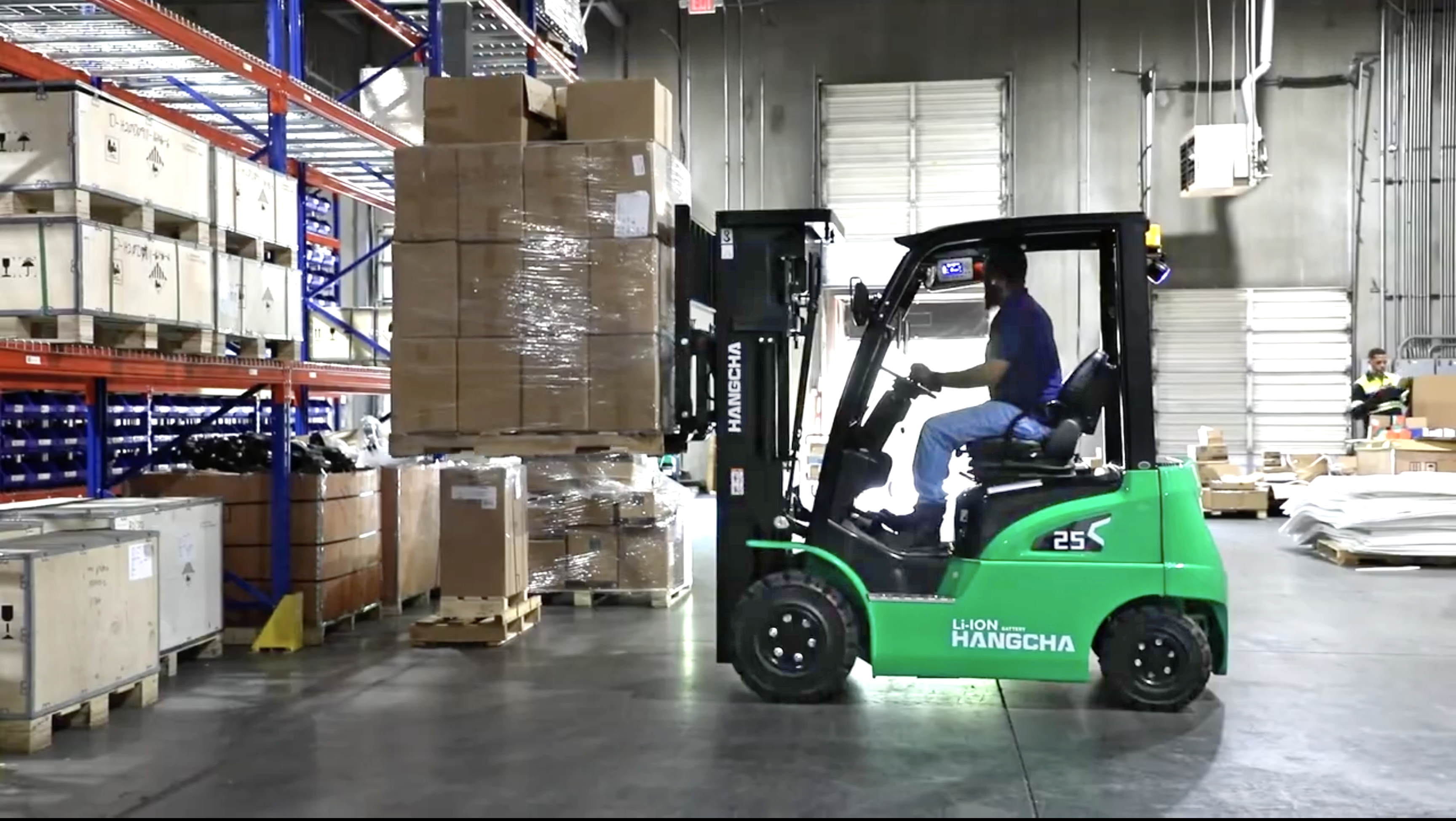 Warehouses today operate at a faster pace than ever before. Higher throughput, tighter delivery windows, and labor efficiency demands have changed what operators expect from their equipment. In 2026, a forklift must be more than just electric, it must be warehouse-ready. That readiness is defined by how well power systems, controls, and design work together to support continuous, high-efficiency operation.
1. Power Systems Built for Modern Demands
A warehouse-ready forklift begins with a power system designed for sustained performance. Lithium-ion batteries are increasingly standard, offering consistent power output and the ability to support opportunity charging without disrupting operations.
Hangcha designs its electric forklifts around these modern power systems. Because of this, voltage delivery, energy management, and charging behavior align with real-world warehouse workflows. This allows peak performance across multiple shifts, without the drop-off in power that usually occurs with lead-acid and other technologies.
2. Intelligent Control and System Integration
Beyond power, modern warehouses demand intelligent equipment. Advanced electronic controllers allow forklifts to precisely manage power delivery between the battery, motors, and drivetrain.
Hangcha’s systems-based engineering approach ensures that components are designed to work together rather than operate independently. Integrated controls improve responsiveness, reduce unnecessary energy use, and help protect critical components from excessive stress.
3. Operator-Focused Design for Long Shifts
Warehouse productivity depends heavily on the operator. Ergonomic design, clear visibility, intuitive controls, and reduced noise all play a role in minimizing fatigue and improving efficiency throughout the shift.
Modern Hangcha forklifts prioritize operator comfort without sacrificing performance. Thoughtful cab layout and smooth power delivery allow operators to work confidently and comfortably in high-throughput environments.
4. Reliability in High-Throughput Environments
A warehouse-ready forklift must perform consistently under demanding conditions. Thermal management, durable components, and system reliability are critical when equipment is expected to operate continuously.
By engineering forklifts as fully integrated systems, Hangcha improves reliability and reduces unplanned downtime. Consistent performance across long shifts ensures that equipment keeps pace with warehouse demands.
Defining “Warehouse-Ready”
In 2026, warehouse-ready is not a single feature; it is the result of intelligent design, system integration, and dependable performance. It’s important when planning your material handling operations to keep in mind how much time, and money using a Warehouse-Ready machine can save you.