
From Battery to Controller: How Forklift System Integration Impacts Uptime
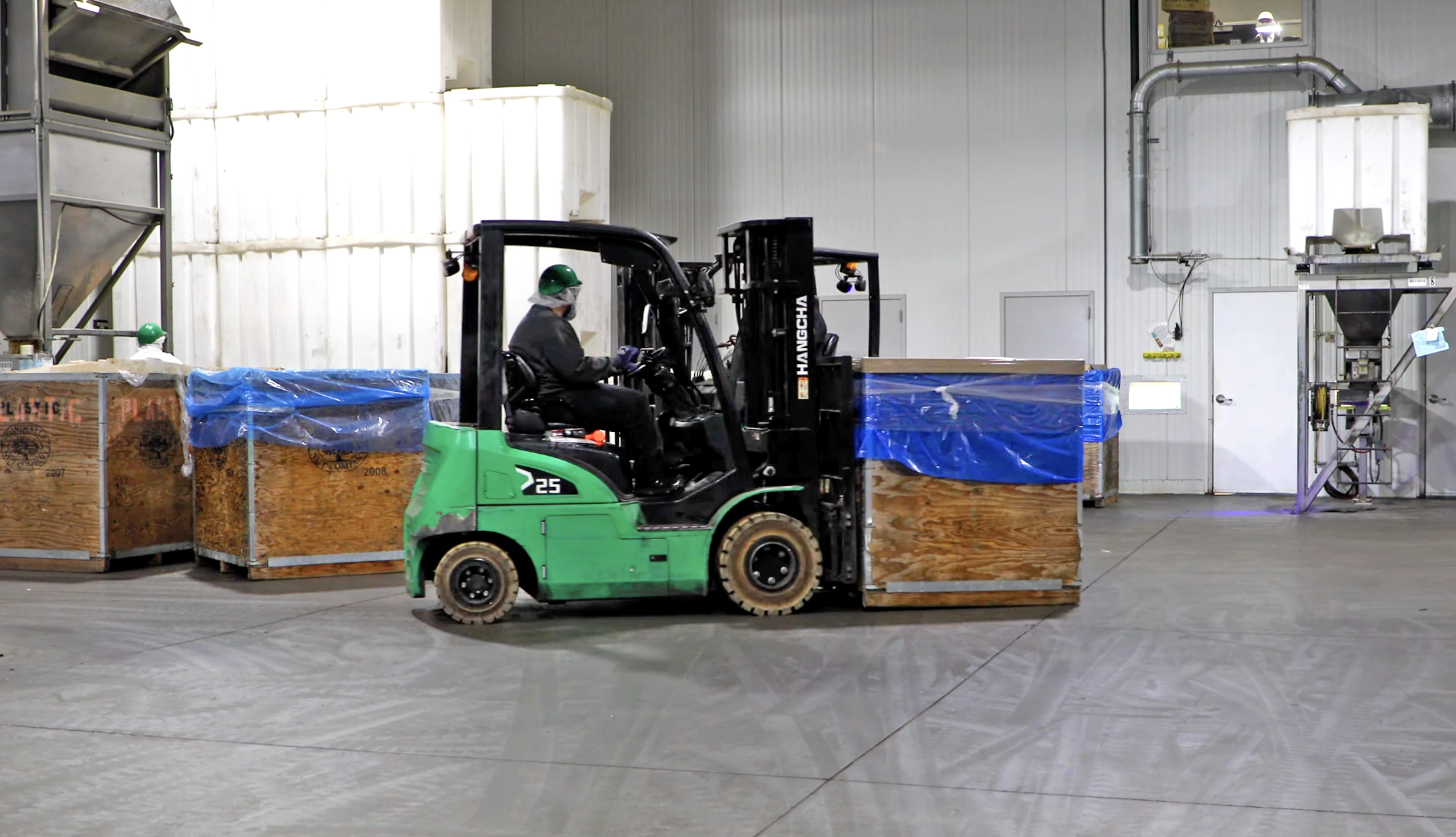 Uptime is one of the most critical performance metrics in material handling. Even brief interruptions can disrupt workflows, delay shipments, and increase operating costs. While individual components matter, uptime is ultimately determined by how well a forklift’s different systems work together. From battery to controller, integration plays a defining role in reliability.
What System Integration Really Means
System integration refers to the coordination between a forklift’s battery, motors, electronic controllers, drivetrain, and thermal management systems. When these components are designed as a unified system, power delivery is predictable, and performance remains stable.
Hangcha approaches forklift design with this systems-level mindset. Rather than adapting off-the-shelf components, forklifts are engineered to ensure compatibility and communication across all major systems.
How Poor Integration Leads to Downtime
When components are not properly matched, inefficiencies and faults can occur. Inconsistent voltage delivery, communication mismatches between controllers and motors, and excess heat buildup can all trigger fault codes or reduce performance.
These issues often lead to unplanned downtime and increased maintenance intervention. In high-demand environments, even small integration problems can compound into significant operational disruptions.
The Uptime Benefits of Integrated Forklift Systems
Fully integrated systems help minimize these risks. Consistent power delivery allows motors and controllers to operate within optimal parameters, reducing stress and wear. Improved communication between components also supports more accurate diagnostics and faster troubleshooting.
In Hangcha electric forklifts, system integration contributes to predictable operation and fewer performance interruptions. This reliability is especially important in multi-shift and high-cycle applications.
Why OEM-Level Integration Matters
Forklifts designed as integrated systems benefit from extensive testing and validation. OEM-level integration ensuresthat components are developed, tested, and refined together rather than retrofitted after the fact.
Hangcha’s vertically integrated design philosophy allows greater control over system compatibility, helping ensure long-term reliability and consistent performance in the field. Through proprietary coding in the BMS and controller, proprietary CAN bus communication, components designed and built by Hangcha, and by working with well-known suppliers to create components specific to Hangcha’s systems, Hangcha provides a complete integrated system in its equipment, which is tested rigorously, to help users get the most uptime out of their Hangcha equipment.
Integration as the Foundation of Uptime
Uptime is not the result of a single component. Uptime is the outcome of thoughtful engineering across the entire forklift. When batteries, controllers, motors, and mechanical systems are designed to work as one, the equipment delivers dependable performance day after day.
System integration is the difference between forklifts that simply operate and forklifts that consistently stay productive.